4Cs OF DIAMONDS

4Cs

Diamonds are graded using a universal system that assesses the stone on its color, clarity, cut and carat- weight, commonly known as the ‘Four Cs’.

At FGL INTERNATIONAL, we are experts in analysing these characteristics. Our diamond grading system is accepted as a universal standard for measuring diamond quality, and used by virtually all jewellery professionals around the world.

Each factor is evaluated separately, but together they establish a diamond’s overall quality.

CARAT WEIGHT

Carat refers to the weight of a diamond and other gemstones. A carat is a unit of measurement equal to
0.2gm or 200mg. In the diamond industry, size does count.

The price of a diamond will increase exponentially as the carat size of the diamond increases. Factors
such as color, clarity and cut should also be considered to determine its value. A large diamond with a
low color, clarity and poor cut will be less valuable than a smaller diamond with a high color, clarity and
excellent cut.

Diamond carat scale

1 ct
2 ct
3 ct
4 ct
5 ct
1ct
2ct
3ct
4ct
5ct
ct

COLOR

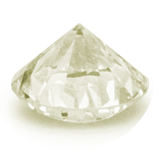
The Color of a diamond actually refers to the lack of color in a diamond, with perfectly colorless diamonds considered the highest quality with the highest value, and brown or yellow diamonds being the lowest quality.

The color of a diamond is measured on an alphabetical scale starting from D (colorless). Each letter grade has a clearly defined range of color appearance that determines its value, and as you move down the scale, the color tint in the diamond increases.

D : Absolutely colorless. The most rare and most valuable. Less than 1% of diamond’s mined worldwide are graded as color D.
E – F : Also considered colorless, Less rare than D.
G – H : Near colorless, although they also contain minute traces of color. Less rare than E – F.
I – J : Near colorless with a faint tint of yellow not easily identified by the eye. Less rare than G- H.
K – L : Faint yellow tint, visible to the eye. Less rare than I – J.
M – Z : Very light yellow, easily identified by the eye. Least valuable of the diamond color grade.
Fancy Yellow : Rare and valuable than the colorless and near colorless white diamonds These diamonds have traces of nitrogen in their crystal structure. Fancy yellow diamonds have more nitrogen in their composition than colorless diamonds. Natural yellow color diamonds are extremely rare, with only one out of approximately 10,000 carats mined being a natural fancy color diamond.

EXC. WHITE +

EXC. WHITE

RARE WHITE+

RARE WHITE
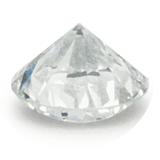
WHITE
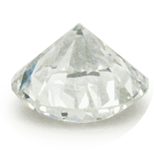
SLIGHTLY TINTED WHITE+
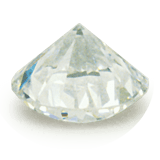
SLIGHTLY TINTED WHITE
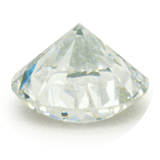
TINTED WHITE+
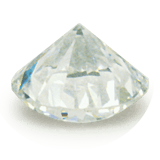
TINTED WHITE
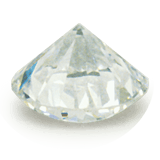
TINTED COLOUR
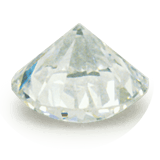
TINTED COLOUR
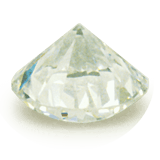
TINTED COLOUR
TINTED COLOUR
FLUORESCENCE

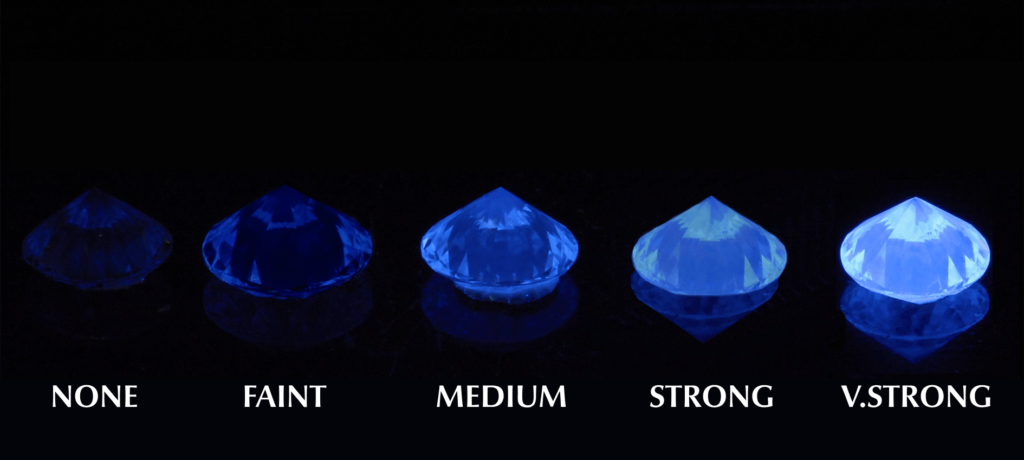
Diamond fluorescence refers to the intensity of a colored glow (usually blue) that is visible when a
diamond is exposed to UV light. In some instances, diamonds with strong fluorescence may look milky
and lifeless in daylight, but in most cases, the appearance of a diamond with strong fluorescence is
rarely affected.

Fluorescence is not always a bad thing as blue fluorescence may enhance the color of a diamond. For
example, a diamond graded H with blue fluorescence may appear whiter than it really is. Fluorescence
can also hide a slight yellow tint in diamonds graded I, J and K.

Fluorescence is indicated on a FGL diamond certificate and measured in None, Faint, Medium or Strong.

CLARITY

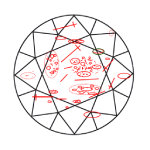
Diamond clarity is the quality of diamonds that relates to the existence and visual appearance of internal characteristics of a diamond called inclusions, and surface defects, called blemishes. Clarity is one of the four Cs of diamond grading, the others being carat, color, and cut.

Most inclusions are not visible to the naked eye, so diamonds are examined under a 10x magnifying
loupe to determine their clarity.

Clarity characteristics are usually divided into two categories:

  • Inclusions: imperfections that occur naturally inside the diamond itself. These were formed miles below the surface, when the diamond was formed under intense heat and pressure.
  • Blemishes: imperfections that occur on the surface of the diamond and occur during the cutting and
    polishing process.

DIAMOND CLARITY SCALE:

F (Flawless):Diamonds have no inclusions or blemishes visible under 10x magnification.
IF (Internally Flawless):No visible inclusions under a 10x magnification loupe, insignificant surface
blemishes.
VVS1 – VVS2 (Very Very Slight Inclusions):Extremely small inclusions that are difficult to find even when
using a jeweller’s loupe. where VVS1 is slightly cleaner than VVS2.
VS1 – VS2 (Very Slight Inclusions):Minor inclusions that are visible under a 10x magnification loupe. Not
visible to the naked eye. VS1 being slightly cleaner than VS2.
SI1 – SI2 (Slight Inclusions):Noticeable inclusions seen under a 10x magnification loupe. Not visible to the naked eye. SI1 being slightly cleaner than S2.
I1 – I2 – I3 (Included):These grades are used to describe diamonds that have large inclusions visible to
the naked eye. The inclusions can come in various shapes, sizes and colours.

INTERNALLY FLAWLESS

VERY VERY SMALL INCLUSIONS
VERY VERY SMALL INCLUSIONS
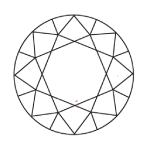
VERY SMALL INCLUSIONS
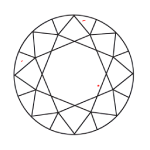
VERY SMALL INCLUSIONS

SMALL INCLUSIONS

SMALL INCLUSIONS
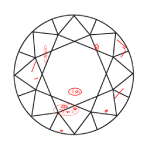
Included
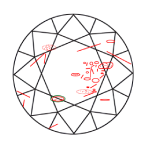
Included
Included

CUT

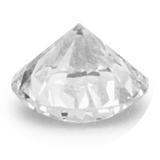
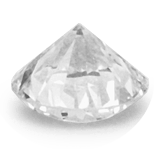
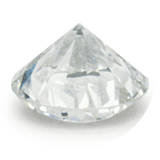
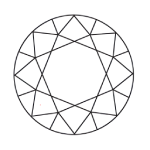
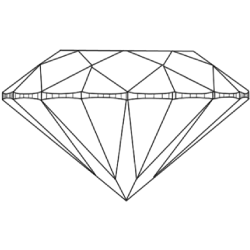
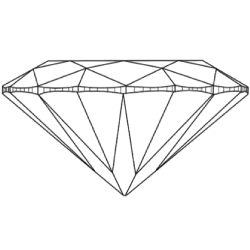
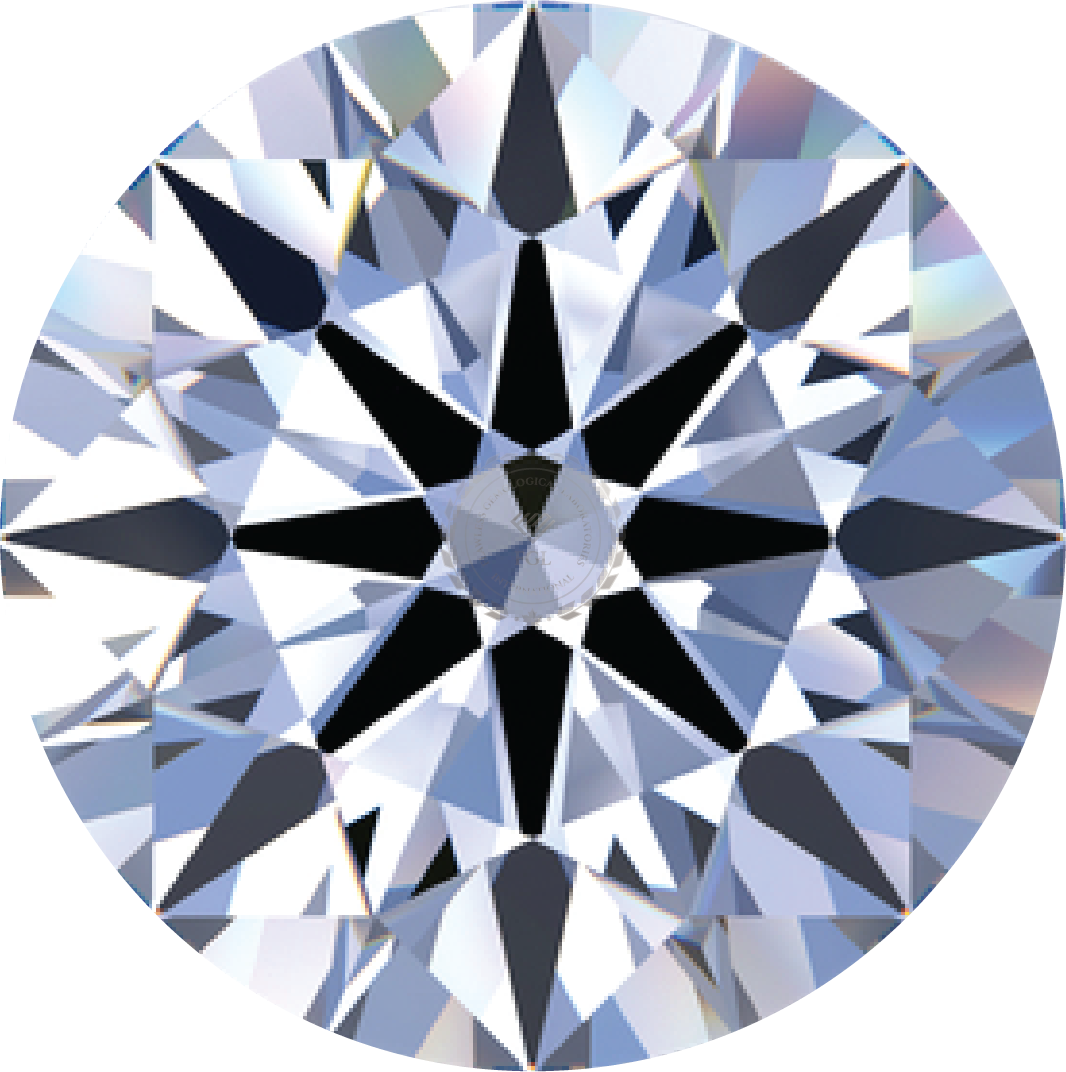
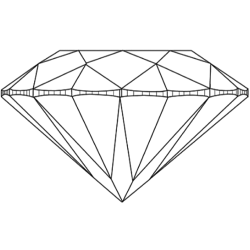
A diamond’s cut is essential to its beauty. The cut is divided into 3 grades: proportion, polish and symmetry. Each grade is evaluated according to 4 parameters: Excellent, Very Good, Good and Fair. If the diamond is not well cut, it will not interact with light as it should. A perfect cut equals more sparkle and fire, and an even pattern of bright and dark areas.

CUT GRADE

A diamond’s cut is the most important factor in determining its fire, brilliance and scintillation. While nature determines the color, clarity and carat of a stone, the cut is in the hands of the diamond cutter.

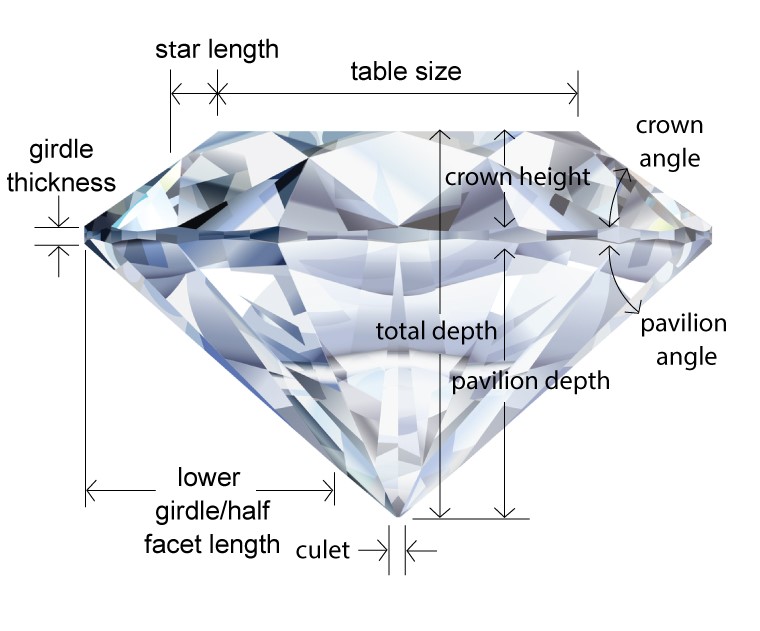
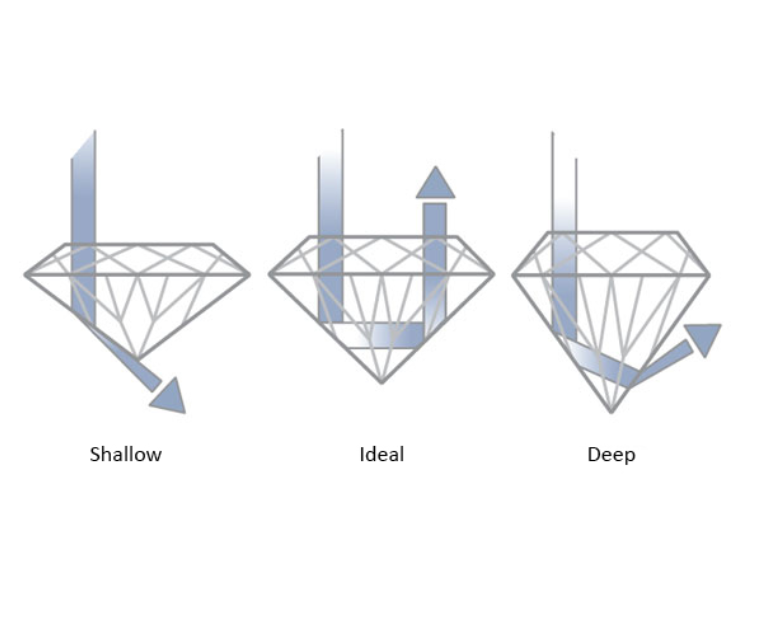
The cut of a diamond determines how effectively light enters the stone is refracted within and reflected back through the top of the diamond. Factors such as proportion, polish and symmetry affect the quality of the diamond.

A diamond cut to ideal proportion and symmetry will reflect the light back through the top of the stone, while a poorly cut diamond will result in a loss of light, and hence sparkle, through the sides and bottom.

Proportions

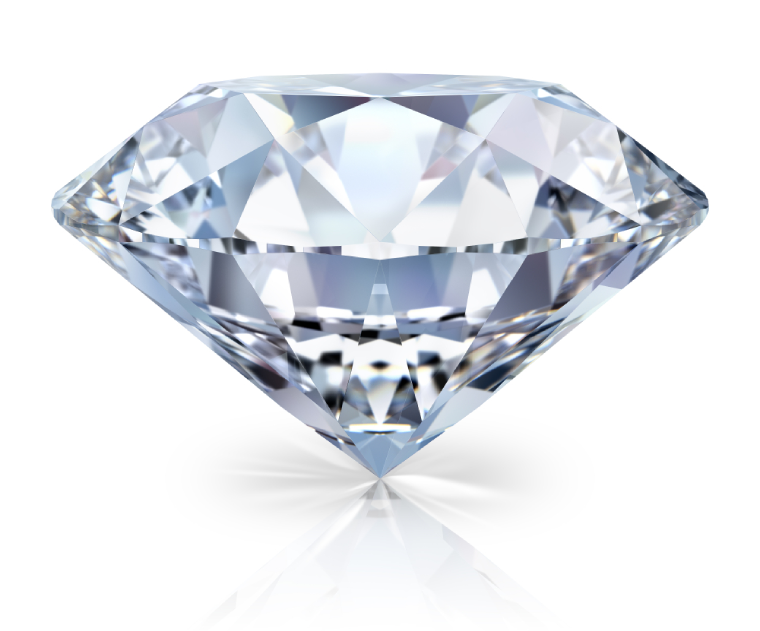
Diamond proportion is an element of Diamond Cut and is critical to a stone's brilliance and value. With ideal diamond proportions, a diamond takes in and reflects light well - causing brilliance and fire.


Polish

Polish influence cut grade, and cut grade has the greatest impact on a diamond's price. The difference between Excellent and Very Good polish can translate to a 10-12% difference in a diamond's price


Symmetry

A diamond with good symmetry allows light to travel through the diamond as it should. Light bounces off the facets and angles, back through the table to your eyes. A diamond with poor symmetry sends light through at defective angles, meaning light might exit through the bottom or sides of the diamond.
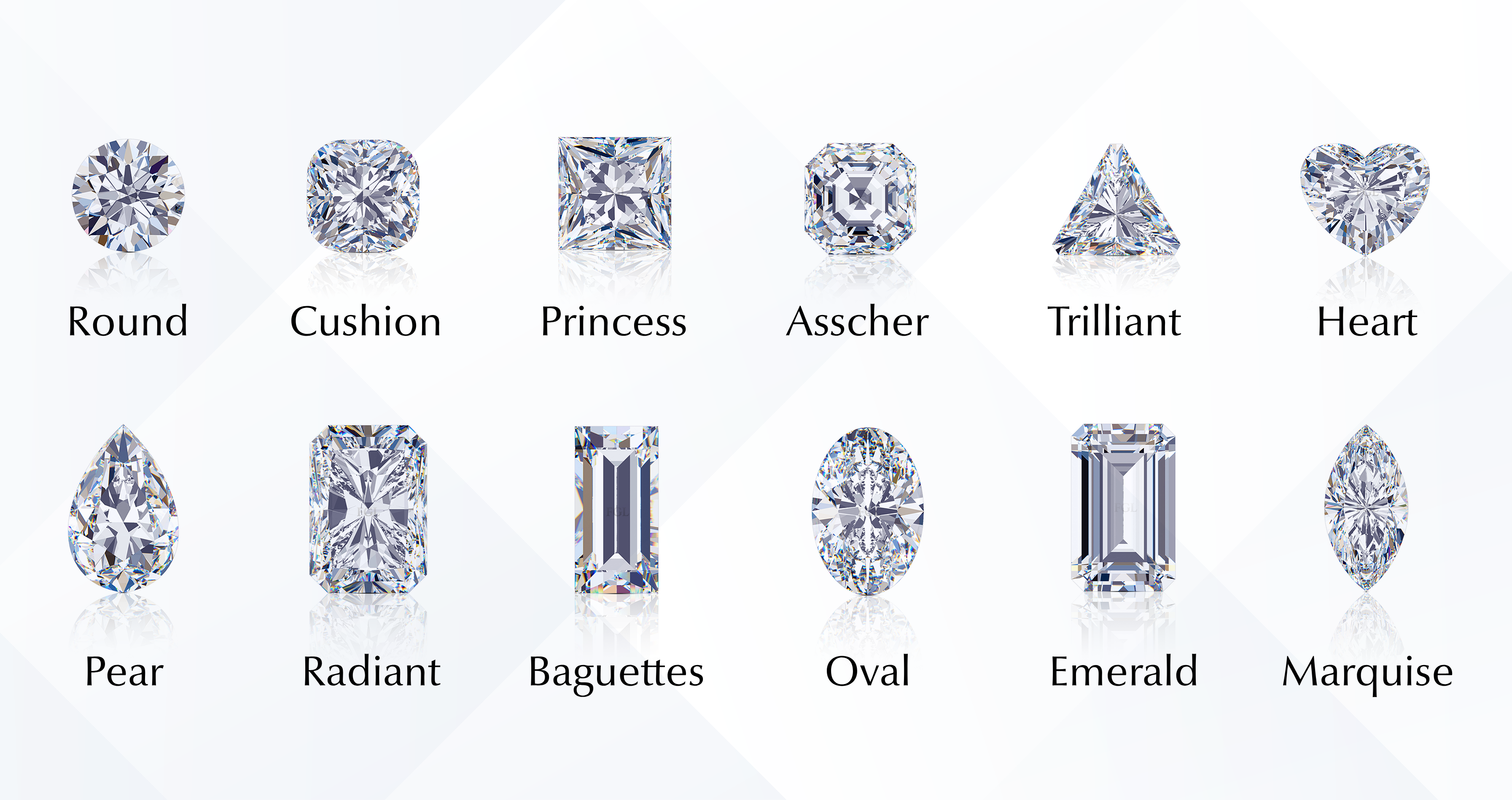

SHAPE

A common misunderstanding is that the term ‘diamond cut’ also refers to the diamond’s shape. Cut is what determines how well-cut your diamond is, whereas shape is the form into which it was cut. Diamonds can be cut into various shapes, the best-known of which is probably the round brilliant.

Round

Emerald

Cushion

Oval

Heart

Radiant

Marquise

Princess

Pear

Asscher

error: Content is protected !!